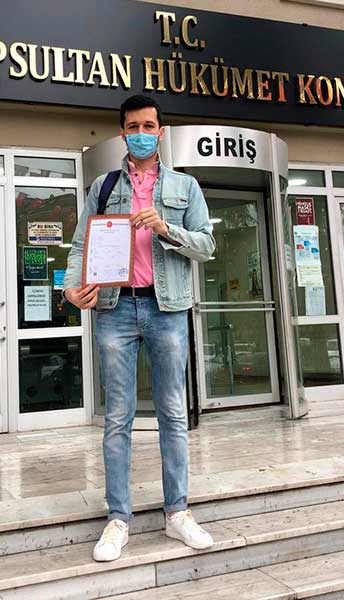
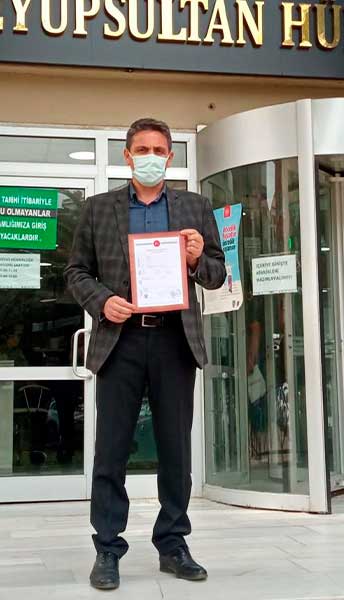
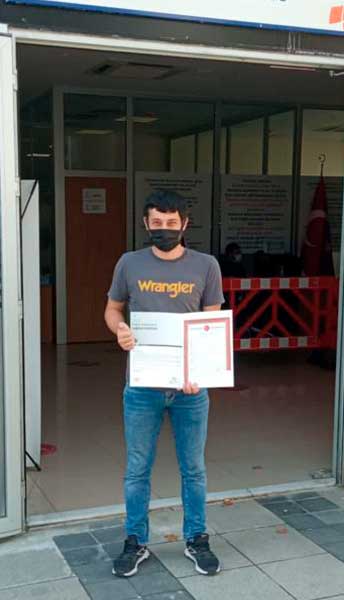
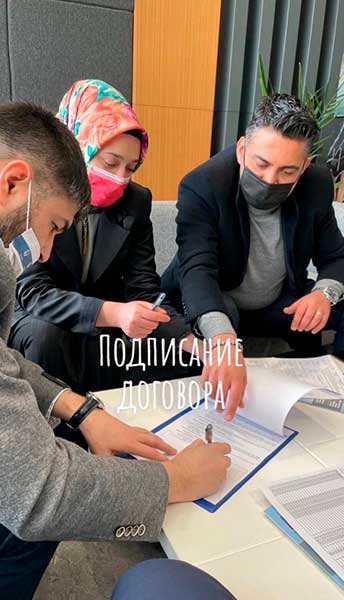
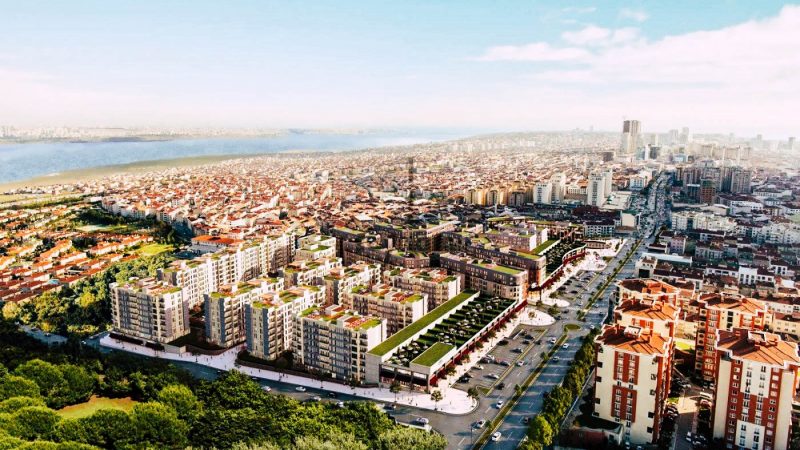
Real East is a leading international licensed real estate agency operating in Istanbul, Dubai, and KSA. Operating in the real estate market since 2012, the company has built a strong reputation and, according to many clients, is considered one of the leading real estate agencies in Turkey. The company provides full support for buying and selling property in Turkey, KSA, and the UAE. Prices available in USD and EUR for 2026.
Trustindex проверяет, что первоначальным источником отзыва является Google.
Очень адекватный подход, без давления. Можно спокойно подумать и выбрать.
Ответ владельца Спасибо вам за отзыв и доверие к RealEast! Очень рады, что вы отметили наш подход без давления — для нас важно, чтобы у клиентов было время спокойно всё обдумать и принять взвешенное решение. Будем рады помочь вам снова!
Опубликовано на Google
Renat Karaliev
4 октябрь 2025
Trustindex проверяет, что первоначальным источником отзыва является Google.
Замир профессионал своего дела, можно смело доверять!
Ответ владельца Спасибо за ваш отзыв! Мы рады, что оправдали ваши ожидания.
Опубликовано на Google
Nurgul Alibekova
12 октябрь 2022
Trustindex проверяет, что первоначальным источником отзыва является Google.
Хочу выразить слава благодарности коллективу компании "Real East" за индивидуальный подход и профессиональное обслуживание! Удачи вам в продажах! С уважением Нургуль Казахстан
Ответ владельца Спасибо вам за тёплые слова и высокую оценку нашей работы! Нам очень приятно, что вы цените наш индивидуальный подход и профессионализм. Желаем вам всего самого наилучшего!
Опубликовано на Google
Paul Walker
12 октябрь 2022
Trustindex проверяет, что первоначальным источником отзыва является Google.
Хочу порекомендовать Всем! Очень хорошое агентство, наконец-то купил квартиру о котором мечтал, Всем советую! Хотел бы отдельно передать Сияме привет и спасибо ей, благодаря ей мы купили хорошую квартиру
Ответ владельца Спасибо за ваш отзыв! Мы очень рады, что вы довольны покупкой квартиры. Обязательно передадим благодарность Сияме! Ваше мнение для нас очень важно.
Опубликовано на Google
Гулистан Гасанова
12 октябрь 2022
Trustindex проверяет, что первоначальным источником отзыва является Google.
Самое надежное агентство! Спасибо большое Сияме за приобретение квартиры, мы очень довольны .
Ответ владельца Спасибо за ваш отзыв! Нам очень приятно, что вы довольны сотрудничеством и покупкой квартиры. Если понадобятся дополнительные услуги или помощь, обращайтесь!
Опубликовано на Google
Закир Кулиев
12 октябрь 2022
Trustindex проверяет, что первоначальным источником отзыва является Google.
Быстро реагируют на запрос, подбирают максимально нужный портфель под запрос. Хороший постпродажный сервис от специалистов.
Ответ владельца Спасибо за ваш отзыв! Нам важно знать, что вы остались довольны подбором портфеля и постпродажным обслуживанием. Если у вас будут дополнительные вопросы или пожелания, всегда рады помочь!
Опубликовано на Google
Senan Sadık
12 октябрь 2022
Trustindex проверяет, что первоначальным источником отзыва является Google.
Ответ владельца Спасибо за ваш отзыв! Если у вас возникли какие-либо проблемы или вопросы, пожалуйста, обратитесь в нашу службу поддержки – будем рады помочь.
Опубликовано на Google
Irena Yusupova
12 октябрь 2022
Trustindex проверяет, что первоначальным источником отзыва является Google.
Внимательные менеджеры, детально консультируют по всем вопросам.
Ответ владельца Спасибо за отзыв! Нам приятно, что вы остались довольны работой наших менеджеров. Будем рады помочь вам снова.
Опубликовано на Google
Abu Ahmad
26 февраль 2020
Trustindex проверяет, что первоначальным источником отзыва является Google.
Ответ владельца Спасибо за ваш отзыв! Если у вас возникли какие-либо вопросы или проблемы, пожалуйста, свяжитесь с нашей службой поддержки – мы постараемся все решить. Ваше мнение важно для нас!
Опубликовано на Google
Masrur Shamsiddinov
23 ноябрь 2019
Trustindex проверяет, что первоначальным источником отзыва является Google.
Ответ владельца Спасибо за ваш отзыв! Если у вас есть какие-либо замечания или вопросы, пожалуйста, свяжитесь с нашей службой поддержки, чтобы мы могли помочь вам.
Подтвердил: Trustindex
Проверенный значок Trustindex — это универсальный символ доверия. Только лучшие компании могут получить проверенный значок с рейтингом выше 4.5 на основе отзывов клиентов за последние 12 месяцев. Подробнее
We’ll guide you through every step of your real estate journey
It’s completely free! Just leave a request, and our consultant will call you back the same day
Steps to buying property
Our company - Real East Real Estate Agency - has been working with Istanbul real estate for many years. Our team of professionals analyzes the market offers and identifies current trends. If you wish to buy real estate in Istanbul, turn to us for a fast and high-quality selection of the best options. Thanks to our extensive experience in this niche and connections with representatives of Istanbul's government bodies.
Our services will cost you less than the assistance of local realtors or international companies. We are an agency in Istanbul that provides the best conditions to buy real estate in Turkey for Russians, Ukrainians, or residents of other CIS countries.
01
Contact us
Getting to know each other and understanding your requirements to find the best match specifically tailored to your needs.
02
Selection of options
Getting to know each other and understanding your requirements to find the best match specifically tailored to your needs.
03
We will organize a visit
Airport pick-up, accommodation in a hotel, city tour, property viewings.
04
Decision to purchase
Negotiation with the seller, verification of the transaction, opening a bank account.
05
Apartment registration/documentation
Property ownership registration, settlement with the seller.
After-sales service
Assistance in obtaining a residence permit, utility services connection, help with furniture selection, arranging children's enrollment in school.
Assistance with relocation and obtaining citizenship in Turkey
Leave your contact details, and our consultant will call you back the same day.
The Ultimate Guide to Real Estate in Istanbul: 2026 Investment Analysis
Istanbul stands as one of the world's most captivating cities, uniquely straddling two continents and blending centuries of history with rapid modern development. For international investors and expatriates, real estate in Istanbul represents more than just a property purchase; it is an entry into a dynamic market that offers a compelling mix of lifestyle benefits, strong rental demand, and long-term capital growth potential. As the economic and cultural heart of Turkey, Istanbul continues to attract global attention, but navigating its complex property landscape requires strategic insight and up-to-date market intelligence.
The Blue Mosque in the evening
Whether you are seeking a lucrative buy-to-let investment, a luxury waterfront residence along the Bosphorus, or a pathway to Turkish citizenship, understanding the nuances of the Istanbul property market is crucial. This comprehensive guide provides a detailed analysis of the 2026 real estate landscape in Istanbul, offering actionable strategies, neighborhood breakdowns, and a step-by-step roadmap for foreign buyers looking to make a secure and profitable investment.
Key Takeaways
Market Resilience: Despite high nominal inflation, Istanbul property prices are stabilizing in real terms, creating a "negotiation market" where buyers currently hold stronger bargaining power.
Citizenship Opportunity: Foreign investors can still qualify for the Turkish Citizenship by Investment program with a minimum real estate purchase of $400,000.
Rental Yields: Strategic investments in high-demand areas like Kadikoy and Sisli can generate gross rental yields between 5% and 8%, supported by strong domestic and expatriate demand.
Emerging Hotspots: Districts such as Esenyurt and Basaksehir offer lower entry price points and significant capital appreciation potential driven by ongoing infrastructure projects.
Legal Diligence: Securing a mandatory government-licensed valuation report (ekspertiz) and conducting thorough title deed (Tapu) checks are non-negotiable steps for a safe transaction.
Real estate in Turkey — RealEast
Real Estate Market Overview in Istanbul (2026)
The Istanbul real estate market in 2026 presents a nuanced picture characterized by shifting economic policies and evolving buyer demographics. Over the past few years, Turkey has experienced significant macroeconomic volatility, marked by high inflation and currency depreciation. However, recent data indicates that the housing market is entering a phase of stabilization. According to the Central Bank of the Republic of Turkey (CBRT), while nominal house prices continue to rise, the growth rate is now closely tracking inflation, meaning that in real (inflation-adjusted) terms, prices are flattening or experiencing slight corrections.
This stabilization has effectively cooled the speculative frenzy seen in previous years. High interest rates, with the central bank policy rate remaining elevated, have constrained domestic mortgage borrowing. Consequently, the market has transitioned from a seller's market to a negotiation-friendly environment. Properties are staying on the market longer, and the gap between asking prices and final transaction prices has widened, providing well-capitalized buyers—particularly those purchasing with cash—with significant leverage to secure favorable deals.
Despite a cooling in overall foreign transaction volumes compared to the peak in 2022, Istanbul remains the undisputed leader in Turkish real estate sales. The city accounts for approximately 17% of all national property transactions. The demand is increasingly driven by a mix of affluent domestic buyers seeking inflation hedges and strategic international investors looking for long-term value rather than quick flips. For those asking if 2026 is a good time to buy property in Istanbul, the data suggests that it is a strategic window for buyers who focus on quality assets in well-connected neighborhoods and maintain a medium-to-long-term investment horizon.
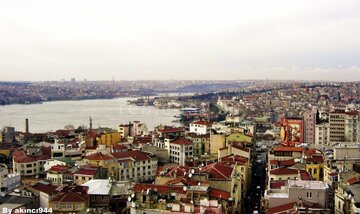
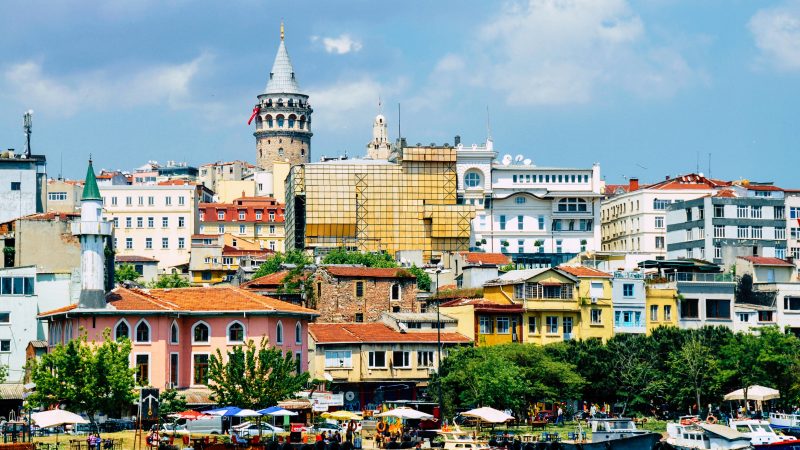
A residential area in Istanbul
Istanbul Property Prices and Affordability
When evaluating Istanbul property prices, it is essential to look beyond the headline figures in Turkish Lira and consider the values in stable foreign currencies like the US Dollar or Euro. Despite recent price appreciations, Istanbul remains remarkably affordable when compared to other major global metropolises.
As of early 2026, the average unit price for residential property in Istanbul stands at approximately $1,550 to $1,650 per square meter, though this varies wildly depending on the district and property type. A standard 100-square-meter apartment in a mid-tier neighborhood typically costs around $155,000 to $165,000. In contrast, premium locations along the Bosphorus or in central business districts command significantly higher premiums, often exceeding $3,000 per square meter.
To put this into perspective, the cost of acquiring prime real estate in Istanbul is a fraction of what an investor would pay in cities like London, New York, or even Dubai. This affordability, combined with the city's alpha-global status, makes Istanbul an attractive proposition for investors seeking high-quality assets without the prohibitive entry barriers of Western markets.
City
Average Price per Sq. Meter (USD)
Estimated Cost for 100m² Apartment (USD)
London (Central)
$15,000 - $20,000
$1,500,000 - $2,000,000
New York (Manhattan)
$17,000 - $22,000
$1,700,000 - $2,200,000
Dubai (Prime)
$5,000 - $8,000
$500,000 - $800,000
Istanbul (Average)
$1,550 - $1,650
$155,000 - $165,000
Istanbul (Prime/Luxury)
$3,000 - $5,000+
$300,000 - $500,000+
Note: Prices are approximate estimates for 2026 based on aggregated market data.
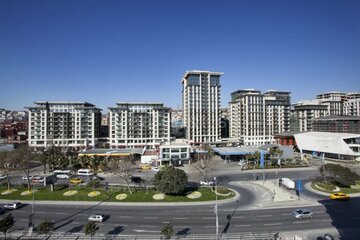
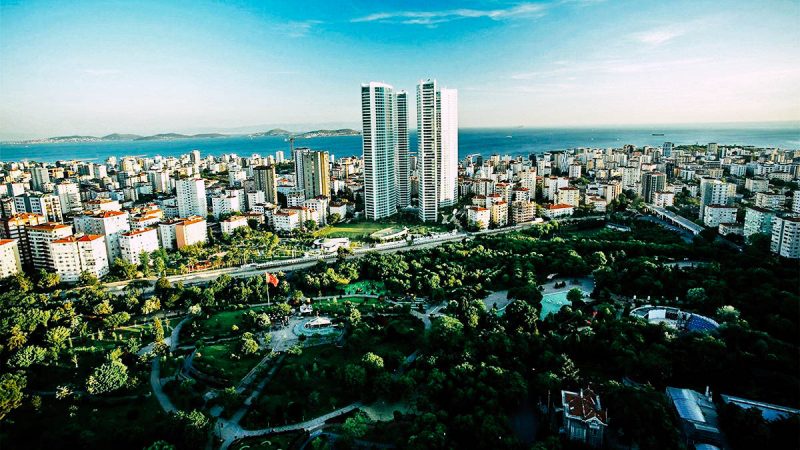
A residential district in Istanbul
Best Neighborhoods for Real Estate Investment in Istanbul
Istanbul is a vast, sprawling metropolis divided into 39 official districts across its European and Asian sides. The best neighborhoods in Istanbul for real estate depend entirely on your investment strategy—whether you prioritize immediate rental yield, long-term capital appreciation, or personal lifestyle amenities.
The European Side: Commerce, History, and Luxury
The European side of Istanbul is the historical and commercial engine of the city. It generally commands higher property prices and attracts a dense population of professionals, tourists, and expatriates.
Besiktas and Sisli (The Premium Core): Besiktas, particularly neighborhoods like Bebek and Ortakoy, represents the pinnacle of Istanbul luxury. Properties here offer stunning Bosphorus views and cater to high-net-worth individuals. Sisli, including the upscale Nisantasi area, is the city's premier business and shopping district. Investments here require substantial capital but offer unmatched prestige, stable tenant demographics (corporate executives and diplomats), and excellent value retention.
Beyoglu (The Cultural Heart): Home to Taksim Square and Istiklal Avenue, Beyoglu is the epicenter of Istanbul's nightlife, arts, and tourism. Properties in this area, many featuring 19th-century Art Nouveau architecture, are highly sought after for short-term holiday rentals. However, investors must navigate strict short-term rental regulations to operate legally.
The Asian Side: Residential Appeal and Growing Infrastructure
Historically viewed as the quieter, more residential half of the city, the Asian side (Anatolia) has seen massive infrastructure investments, making it increasingly attractive to both domestic and foreign buyers.
Kadikoy (The Vibrant Hub): Kadikoy has emerged as one of the most desirable districts in Istanbul. It offers a vibrant cultural scene, excellent dining, and a more relaxed atmosphere compared to the European center. With robust ferry and metro connections, Kadikoy attracts young professionals and families, ensuring a consistently strong long-term rental market with yields often outperforming the European core.
Atasehir (The Financial Center): Designed to be the new financial hub of Turkey, Atasehir is characterized by modern high-rises and master-planned residential complexes. As major banks and corporate headquarters relocate to the Istanbul Financial Center located here, demand for high-quality residential units from corporate professionals is expected to surge, making it a prime target for capital appreciation.
Emerging Neighborhoods for High ROI
For investors seeking lower entry points and higher capital growth potential, looking toward the city's expanding perges is a proven strategy.
Esenyurt and Beylikduzu: Located on the western European side, these districts have been the focus of massive residential development. Esenyurt offers some of the lowest price-per-square-meter rates in the city, making it a popular starting point for budget-conscious investors. Beylikduzu offers a more family-oriented environment with better urban planning, green spaces, and coastal access. Both areas benefit from the expanding Metrobus line, though investors must carefully vet developers to avoid low-quality projects.
Basaksehir: Favored by Middle Eastern investors, Basaksehir is a rapidly developing district known for its modern infrastructure, large hospitals (such as the Cam and Sakura City Hospital), and proximity to the new Istanbul Airport. The area is characterized by large, family-friendly residential complexes and is poised for steady growth as infrastructure projects reach completion.
A shopping center in Istanbul
Investment Strategies for Istanbul Real Estate
Success in the Istanbul property market requires aligning your purchase with a clear, predefined strategy. The city accommodates several distinct investment profiles, each with its own risk-reward dynamics.
Buy-to-Let: Long-Term vs. Short-Term Rentals
The rental market in Istanbul is robust, driven by a massive student population, a growing young workforce, and millions of annual tourists.
Long-Term Rentals: Targeting districts like Kadikoy, Sisli, or Levent with 1- or 2-bedroom apartments is a reliable strategy for steady cash flow. Gross rental yields in these areas typically range from 5% to 7%. The advantage here is stability and lower turnover costs, though Turkish rental laws do offer significant protections to tenants, which can limit how quickly landlords can raise rents to match inflation.
Short-Term Rentals (Airbnb): Properties in tourist-heavy areas like Beyoglu, Sultanahmet, or coastal Besiktas can generate significantly higher yields (often 8% to 10%+). However, investors must be aware of recent regulatory changes. In Turkey, landlords renting their homes for tourism purposes for under 100 days must obtain a "Tourism Accommodation Rental Permit" and secure consent from all other owners in the building complex. For foreign investors, purchasing units in branded hotel residences or managed serviced apartments is often a safer, more hands-off approach to short-term letting.
Capital Appreciation and Off-Plan Investments
For investors focused on capital growth, purchasing off-plan properties in emerging zones (like Basaksehir or along the planned route of the Istanbul Canal) is a common strategy. Buying early in the development cycle allows investors to secure properties at a discount—often 15% to 20% below market value upon completion. The key to this strategy is rigorous due diligence; investors must only work with reputable developers who have a proven track record of delivering projects on time and to specification.
Turkish Citizenship by Investment
A significant driver of foreign real estate purchases in Istanbul is the Turkish Citizenship by Investment program. As of 2026, foreign nationals who purchase real estate valued at a minimum of $400,000 are eligible to apply for Turkish citizenship, provided they commit to holding the property for at least three years. This program offers a fast track to a second passport, visa-free travel to over 110 countries, and the ability to live, work, and study in Turkey. Istanbul is the primary destination for these investors, as the $400,000 threshold easily secures a premium apartment in a desirable neighborhood.
How to Buy Property in Istanbul: Step-by-Step Guide
The process of buying property in Turkey as a foreigner is relatively straightforward, provided you follow the correct legal procedures. Here is a step-by-step breakdown of the purchase process in 2026:
Step 1: Obtain a Turkish Tax Number and Open a Bank Account
Before any transaction can occur, foreign buyers must obtain a Tax Identification Number (Vergi Kimlik Numarası) from a local tax office. This number is required to open a Turkish bank account, which is necessary for transferring the purchase funds and paying ongoing utility bills and taxes.
Step 2: Property Selection and Negotiation
Work with a licensed, reputable real estate agent to identify properties that match your investment criteria. Once a property is selected, a reservation fee (typically 1% to 5% of the purchase price) is paid to take the property off the market, and a preliminary sales contract is drafted.
Step 3: Mandatory Property Valuation (Ekspertiz)
To protect foreign buyers from price inflation and fraud, the Turkish government mandates that all foreign property purchases must be accompanied by an official valuation report (ekspertiz) conducted by a government-licensed appraiser. The title deed transfer cannot proceed if the declared sales price is significantly lower than the valuation report.
Step 4: Legal Checks and Military Clearance
Your appointed lawyer should conduct thorough due diligence on the property. This includes checking the title deed (Tapu) for any outstanding debts, liens, or mortgages, and ensuring the building has the correct habitation certificate (Iskan). Additionally, the land registry office will verify that the property is not located within a restricted military zone.
Step 5: Title Deed (Tapu) Transfer
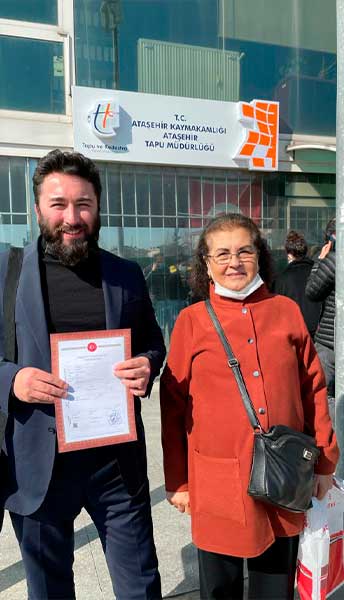
The final step occurs at the local Land Registry Directorate (Tapu ve Kadastro Müdürlüğü). Both the buyer and seller (or their legally appointed representatives via Power of Attorney) must be present. A sworn translator is legally required to be present if the buyer does not speak fluent Turkish. Once the remaining funds and taxes are paid, the Tapu is transferred into the buyer's name, granting full freehold ownership.
Financing Your Istanbul Property Purchase
While cash purchases are the most common and provide the strongest negotiation leverage, foreign investors do have financing options available.
Mortgages for Foreigners: Turkish banks do offer mortgages to foreign nationals, typically covering up to 50% to 70% of the property's appraised value. However, interest rates in Turkey are currently very high, making local borrowing expensive. Furthermore, the documentation requirements for foreigners (proof of overseas income, credit history) are stringent.
Developer Payment Plans: A highly popular alternative to bank mortgages is developer financing. Many construction companies offering off-plan or newly completed projects provide interest-free installment plans. Buyers typically pay a 30% to 50% down payment, with the remaining balance spread over 12 to 36 months. This allows investors to leverage their capital without incurring high interest costs.
Taxes and Additional Costs of Buying Property
When budgeting for real estate in Istanbul, buyers must account for several mandatory closing costs and ongoing taxes, which typically add 6% to 8% to the property's purchase price.
Title Deed Transfer Tax: The standard rate is 4% of the declared property value, technically split equally between buyer and seller (2% each), though in practice, the buyer often pays the full 4% depending on the negotiation.
Value Added Tax (VAT): VAT on new properties ranges from 1% to 20% depending on the property size and location. However, foreign buyers who do not reside in Turkey and pay for the property using foreign currency transferred from abroad are eligible for a VAT exemption.
Notary and Translation Fees: Approximately $300 to $500 for the translation of documents, passport notarization, and Power of Attorney (if used).
Annual Property Tax: An ongoing cost, typically ranging from 0.1% to 0.2% of the property's assessed value per year, payable to the local municipality.
Maintenance Fees (Aidat): If buying in a modern complex, owners must pay a monthly maintenance fee covering security, pool upkeep, and communal areas. This can range from $50 to $300+ per month depending on the luxury level of the amenities.
Risks and Considerations in Istanbul Real Estate
While the rewards can be substantial, investing in Istanbul is not without its risks. Smart investors mitigate these through careful planning and professional guidance.
Legal and Title Risks: The most significant risk is purchasing a property with an encumbered title deed or one lacking a habitation certificate (Iskan). Properties without an Iskan are technically incomplete in the eyes of the law, which can lead to issues with utility connections and future resale. Always use an independent lawyer—never rely solely on the developer's or agent's legal team.
Currency Fluctuations: The Turkish Lira has experienced significant volatility. While property prices in Istanbul are often pegged to or closely track foreign currencies (USD/EUR) to preserve value, rental income is paid in Lira. Investors relying on rental income to cover foreign currency liabilities must factor exchange rate risk into their ROI calculations.
Earthquake Preparedness: Istanbul is located near a major fault line. When buying property, it is imperative to ensure the building complies with the strict post-1999 earthquake building regulations. Newer builds (post-2000, and especially post-2018) are constructed to modern seismic standards. Buyers must also purchase mandatory earthquake insurance (DASK) before utility connections can be made.
Istanbul on the map
Conclusion
Investing in real estate in Istanbul in 2026 offers a unique proposition: the opportunity to acquire premium property in a world-class city at prices significantly lower than comparable global hubs. Whether your goal is to secure a high-yielding rental asset, achieve long-term capital growth in emerging districts, or obtain Turkish citizenship, the market provides diverse avenues for success.
However, the transition from a speculative boom to a more stabilized, negotiation-driven market means that careful asset selection is more critical than ever. By focusing on well-connected neighborhoods, conducting rigorous legal due diligence, and aligning your purchase with a clear investment strategy, you can navigate the complexities of the Istanbul property market and secure a highly profitable asset.
For foreign buyers, the most crucial step is assembling a trusted team of local experts—including an independent lawyer and a reputable real estate consultant—to guide you safely from the initial search to the final handover of the title deed.
Yes, foreigners can buy property in Istanbul and throughout Turkey with relatively few restrictions. Since the removal of the reciprocity rule in Turkish property law, most foreign nationals—regardless of their country of origin—are permitted to purchase residential and commercial real estate in their own names, enjoying nearly identical rights to Turkish citizens.
Key regulations for foreign buyers include:
Foreign buyers cannot purchase more than 30 hectares of land in total across Turkey. Additionally, a single property purchase cannot exceed 10% of a district’s total land area, a measure designed to prevent foreign entities from monopolizing real estate in any given region. Properties located within military zones or restricted security areas are off-limits to foreign purchasers, though this rarely affects residential properties in central Istanbul.
Upon completion of the purchase and transfer of the title deed (Tapu), foreign buyers receive full freehold ownership with no time restrictions on holding the property. This means you can sell, rent, or pass the property to heirs without additional foreign ownership limitations. The only mandatory requirement is obtaining a Turkish Tax Identification Number (Vergi Kimlik Numarası) and opening a local bank account to facilitate the transaction and pay ongoing taxes.
Citizenship pathway: If you purchase property valued at $400,000 or more and hold it for at least three years, you become eligible to apply for Turkish citizenship through the Citizenship by Investment program, which grants visa-free travel to over 110 countries.
The total cost of buying property in Istanbul includes both the property price and several mandatory closing costs and taxes. Understanding the complete financial picture is essential for accurate budgeting.
Property prices vary dramatically by location:
As of early 2026, average residential property prices in Istanbul range from approximately $1,550 to $1,650 per square meter for mid-tier neighborhoods. A standard 100-square-meter apartment in a well-connected but non-premium area typically costs $155,000 to $165,000. Premium locations along the Bosphorus or in central business districts (such as Sisli or Besiktas) command significantly higher premiums, often exceeding $3,000 per square meter, meaning a 100m² apartment could cost $300,000 to $500,000+.
Emerging neighborhoods like Esenyurt offer lower entry points, with prices as low as $800 to $1,000 per square meter, making a 100m² apartment available for $80,000 to $100,000. However, these areas may have lower rental demand and longer appreciation timelines.
Mandatory closing costs and taxes (typically 6-8% of purchase price):
Cost Category
Rate/Amount
Details
Title Deed Transfer Tax
4%
Split between buyer and seller; buyer typically pays full amount
VAT (Value Added Tax)
1-20%
Exemption available for foreign buyers purchasing with foreign currency
Notary & Translation Fees
$300-$500
Document translation and Power of Attorney preparation
Mandatory Property Valuation (Ekspertiz)
$200-$400
Government-licensed appraiser fee
Annual Property Tax
0.1-0.2%
Ongoing yearly cost to municipality
Monthly Maintenance Fees (Aidat)
$50-$300+
For apartments in residential complexes
Example calculation for a $200,000 property:
Property price: $200,000
Title Deed Transfer Tax (4%): $8,000
Notary & Translation: $400
Valuation Report: $300
Total closing costs: ~$8,700 (4.35%)
Total investment: ~$208,700
Plus ongoing annual property tax (~$200-$400) and monthly maintenance fees if applicable.
The answer depends on your investment timeline and strategy, but 2026 presents a strategic window for disciplined buyers. The market has transitioned from the speculative boom of 2021-2022 to a more normalized, negotiation-driven environment.
Market conditions favoring buyers:
Nominal property prices continue to rise, but when adjusted for inflation, prices have essentially flattened or experienced slight corrections. This means that in real terms, you are not overpaying for properties compared to the previous two years. High interest rates have constrained domestic mortgage borrowing, reducing competition from local buyers. As a result, properties are staying on the market longer, and the gap between asking prices and final transaction prices has widened to approximately 7% on average, giving well-capitalized cash buyers significant negotiation leverage.
Market conditions to monitor:
The Turkish Lira remains volatile against major currencies. While property prices are often pegged to USD/EUR to preserve value, this volatility can affect financing costs and rental income conversion. Additionally, the central bank’s monetary policy will continue to influence interest rates and inflation, which indirectly affect property valuations and rental demand.
Recommendation: 2026 is an excellent time to buy if you (1) have sufficient capital to purchase with cash or a substantial down payment, (2) focus on quality assets in well-connected neighborhoods, and (3) maintain a medium-to-long-term investment horizon of at least 5-10 years. Speculative short-term flipping is no longer a viable strategy in this market environment.
While Istanbul real estate offers compelling opportunities, investors must understand and mitigate several distinct risks to protect their investment.
Legal and title risks (highest priority):
The most significant risk is purchasing a property with an encumbered or incomplete title deed. Properties lacking a habitation certificate (Iskan) are technically incomplete in the eyes of Turkish law, which can create issues with utility connections, insurance, and future resale. Some older buildings or properties in certain districts may also have outstanding debts, liens, or mortgages attached to the title. Mitigation: Always hire an independent lawyer (not one recommended by the developer or agent) to conduct thorough due diligence. Verify that the property has a valid Tapu (title deed), an Iskan certificate, and no outstanding encumbrances.
Earthquake and building safety risks:
Istanbul is located near a major fault line. While building codes have been significantly strengthened since the 1999 earthquake, older buildings constructed before 2000 may not meet current seismic standards. Properties damaged in future earthquakes may face challenges with insurance claims or reconstruction. Mitigation: Prioritize properties built after 2000, ideally post-2018, which comply with modern earthquake-resistant building codes. Verify that the building has earthquake insurance (DASK), which is mandatory before utility connections.
Currency and macroeconomic risks:
The Turkish Lira has experienced significant volatility. While property prices are often pegged to foreign currencies to preserve value, rental income is paid in Lira. Investors relying on rental income to cover foreign currency liabilities face exchange rate risk. Additionally, changes in Turkish monetary policy, inflation rates, or political stability could impact property values and rental demand. Mitigation: Diversify your income sources; do not rely entirely on rental income to cover mortgage or financing costs. Consider the property as a long-term hold (5-10+ years) to weather short-term currency fluctuations.
Regulatory and rental market risks:
Short-term rental regulations in Turkey are evolving. The 100-day annual limit for unregistered short-term rentals is strictly enforced, and properties without proper permits can face fines or forced removal from rental platforms. Long-term rental laws heavily favor tenants, making it difficult to evict non-paying tenants or raise rents quickly to match inflation. Mitigation: Understand local rental regulations before purchasing. For short-term rentals, consider buying in branded hotel residences or managed serviced apartments where the operator handles regulatory compliance. For long-term rentals, factor in tenant protection laws when calculating ROI.
Developer and construction risks (for off-plan properties):
Off-plan properties offer discounts but carry the risk that the developer may delay completion, reduce quality, or face financial difficulties. Some developers have a history of project delays or incomplete deliveries. Mitigation: Only work with established, reputable developers with a proven track record of on-time delivery. Request references from previous buyers, verify the developer’s financial stability, and ensure all payment schedules are tied to construction milestones.
Scams and fraud:
While rare, property scams do occur, particularly involving fake agents, forged documents, or properties with unclear ownership. Mitigation: Work only with licensed real estate agents registered with the Turkish Real Estate Agents Association. Verify all documents through official channels. Never transfer funds before the title deed transfer is complete at the Land Registry office.

















 By owner
 By developer
 Installment
  Citizenship
 Residency
 Video
Video